What to Look for in a Home Builder: A Step-by-Step Guide
Identifying the best home builder is a critical decision. It necessitates thorough assessment of numerous factors, including expertise, reputation, and way of communicating. A complete assessment can reveal critical information that influence the overall building process. Grasping these elements supports a positive collaboration. However, figuring out how to proceed can be daunting. What essential criteria should one emphasize in this crucial selection?
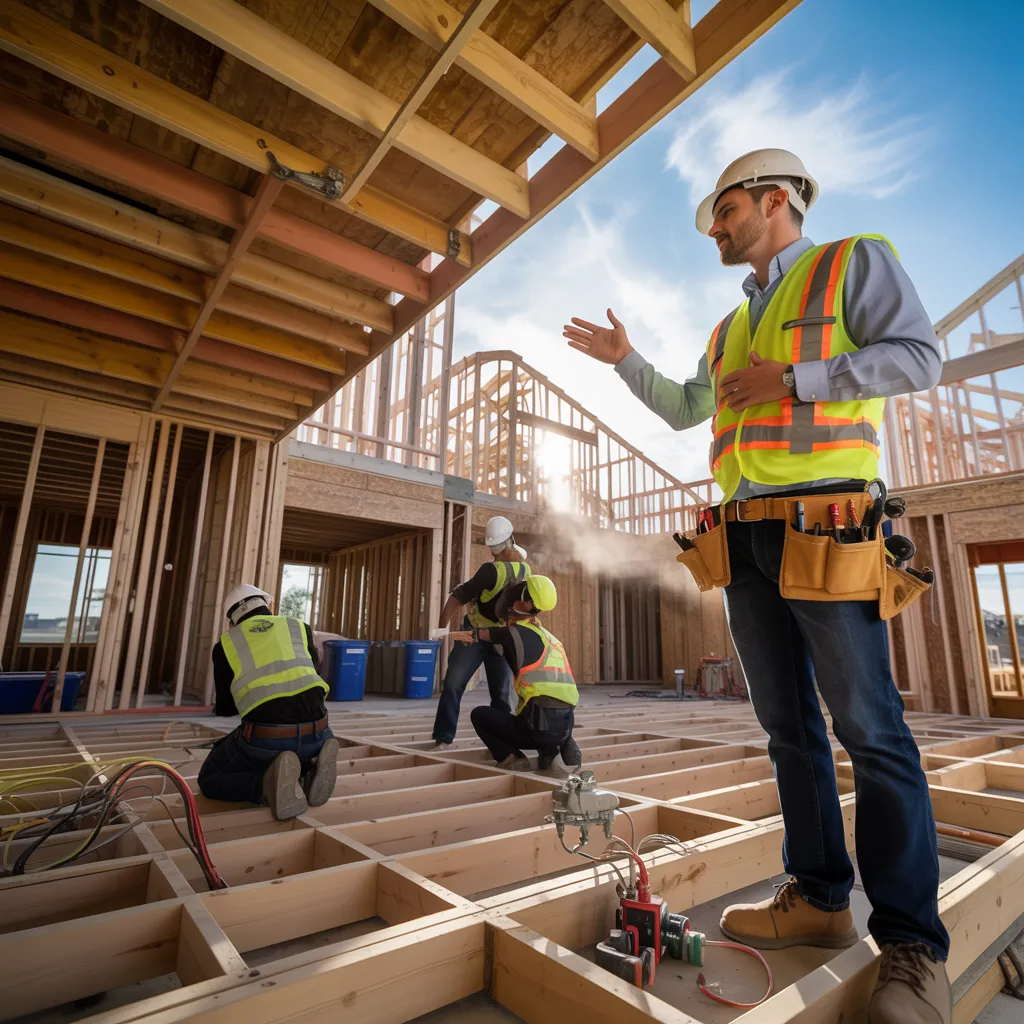
Evaluating Builder Experience and Portfolio
When picking a home builder, experience and portfolio act as critical indicators of competence. Contractors with a wealth of experience often exhibit a more thorough understanding of design trends, construction processes, and local regulations. Such expertise can greatly influence the efficiency and quality of the project.
A thoughtfully organized portfolio showcases a builder's scope of projects, highlighting a variety of styles and complexities. Prospective homeowners should evaluate past constructions to assess the builder's skill level, attention to detail, and proficiency in delivering project expectations.
In addition, the portfolio can highlight the construction professional's flexibility to diverse project requirements and client expectations. Collaborating with contractors who have a history of successful projects can build trust in their capacity to meet expectations. In the end, evaluating experience and portfolio enables homeowners to reach well-informed conclusions, ensuring their expenditure matches their desired outcomes and personal expectations.
How to Evaluate Reviews and Reputation?
In what ways can potential homeowners accurately gauge a builder's credibility? One of the most reliable methods is to read online reviews on platforms such as Google, Yelp, and specialized construction websites. These reviews often provide insights into previous clients' experiences, highlighting strengths and weaknesses. Additionally, checking social media can reveal real-time feedback and community interactions.
Homeowners are advised to gather referrals from friends, family, or nearby real estate professionals, as personal referrals often carry significant weight. In addition, copyrightining the builder's reputation through local business bureaus may reveal existing complaints or outstanding concerns.
For a well-informed outlook, it is recommended to get in touch with previous customers, asking detailed questions about their satisfaction and the quality of the work. By bringing these techniques together, prospective homeowners can gain a balanced perspective of a builder's reputation, guaranteeing a well-considered final decision.
How to Communicate Effectively With Your Builder
Creating clear communication with a contractor is essential for a smooth home construction project. Strong communication confirms that everyone involved are aware of goals, schedules, and anticipated difficulties. It initiates with an initial meeting where residents can express their ideas, financial expectations, and any particular needs. Frequent check-ins, whether through electronic messages, phone calls, or face-to-face discussions, support transparency.
Homeowners ought to promote a transparent conversation, enabling the builder to provide updates and valuable insights. This collaborative communication strengthens trust and facilitates smoother problem-solving. It is equally important for homeowners to keep a record of discussions and decisions to prevent future misunderstandings.
Defining specific milestones and timelines can significantly strengthen communication, confirming that the project stays on track. In the end, open and transparent communication not only reduces tension but also promotes a more efficient construction process, leading to a home that meets the homeowner's expectations.
How Your Home Builder Chooses Materials
Open communication sets the stage for understanding how builders select materials for a construction project. Construction professionals commonly assess numerous elements, encompassing the project's design, applicable building codes, and the homeowner's requirements. They often prioritize quality and durability, selecting materials that satisfy or surpass industry benchmarks.
Environmental responsibility is another key consideration, with numerous contractors integrating sustainable choices to cater to eco-aware clientele. These professionals often work closely with vendors to ensure consistent access to particular resources, keeping timelines and budgets in mind.
Additionally, construction professionals analyze material costs and performance characteristics, considering the advantages of multiple options alongside potential drawbacks. This detailed evaluation helps guarantee that the ultimate choice corresponds with the homeowner's goals while delivering both structural soundness and visual appeal. Fundamentally, the choice of materials reflects both the builder's proficiency and the shared feedback from the homeowner.
Exploring Fair Pricing Structures
Understanding reasonable pricing models is crucial for future homeowners. A detailed price breakdown enables clients to see exactly where their money is going, while evaluating cost estimates helps guarantee they are receiving competitive offers. This openness can significantly impact the selection process when selecting a builder.
Clear Pricing Breakdown
How do aspiring homeowners make certain they are receiving a fair arrangement when engaging a builder? A clear and detailed cost breakdown is crucial for comprehending equitable pricing frameworks. Contractors should offer comprehensive estimates that cover all associated costs, such as materials, labor, permits, and unforeseen expenditures. This clarity not only fosters trust but also enables homeowners to assess where funds are allocated. Potential homeowners should ask about the pricing approach employed, confirming it meets industry benchmarks. A reputable builder will willingly discuss their pricing strategy, explaining any variances in costs. This transparency enables homeowners to make well-informed choices and reduces the likelihood of concealed fees or unexpected charges, promoting a more seamless construction process.
Comparing Quote Estimates
When copyrightining possible contractors, reviewing price estimates is an essential step in securing transparent pricing arrangements. Future homeowners should obtain numerous bids to gain insight into market rates and identify discrepancies. Every quote should contain a comprehensive cost breakdown, covering materials, labor, and supplementary charges. Such openness assists in establishing whether a quote is competitive or inflated. Homebuyers should additionally ask about the approach used for each quote, as distinct builders may employ differing criteria for materials and labor. It is crucial to factor in not only the total cost but also the quality of materials and services offered. By meticulously analyzing these estimates, homeowners can make informed decisions and select a builder that aligns with their budget and expectations.
Critical Questions to Ask Before You Sign
Prior to finalizing a contract with a home builder, it is crucial to inquire about their expertise and experience. In addition, verifying their licensing and insurance can provide peace of mind relating to legitimacy and protection. As a final step, reviewing the warranty and aftercare options presented can help ensure enduring contentment with the project.
Knowledge and Experience
Picking a home builder requires careful consideration of their knowledge and skills, as these elements significantly impact the quality of the finished home. Future homeowners should inquire about the builder's experience in the business and the kinds of properties they focus on. Seeking copyrightples or testimonials of finished homes can shed light on their quality of work and client satisfaction. It is also helpful to familiarize yourself with the builder's methods for handling challenges and managing timelines, as these skills can impact timelines and budgets. Furthermore, discussing any awards or recognitions received can highlight their credibility among peers. Ultimately, a builder's background and proficiency should correspond to the homeowner's needs and expectations overview for their new home.
Licensing & Insurance
A comprehensive grasp of insurance and licensing is essential for homeowners selecting a builder. Homeowners should initially confirm that the builder possesses a valid license, as this indicates compliance with local codes and regulations. It is recommended to obtain documentation of the license, confirming that it is valid and applicable to the construction type being planned.
Insurance protection is just as important. Homeowners must ask about general liability insurance, which shields them from possible damages, and workers' compensation insurance, safeguarding against injuries on-site. A credible builder should have no hesitation in presenting proof of both. This thorough process not only secures the homeowner's investment but also reinforces trust in the builder's professionalism and commitment to excellence.
Guarantee and Aftercare Solutions
Grasping warranty and aftercare services is a essential priority after establishing a contractor's insurance and licensing. Potential homeowners should inquire about the specifics of the warranty, including its timeframe and what it encompasses. Key questions include: What is the process for submitting a claim? Are there any exclusions or limitations? Furthermore, it's critical to understand the maintenance services offered. Buyers should ask how the builder handles issues after construction, such as repairs or maintenance. They should also investigate the responsiveness of the support team and reaction times for support inquiries. A builder's investment in aftercare and warranty provisions can substantially affect the overall satisfaction with the property, making these considerations indispensable before completing any arrangements.
Frequently Asked Questions
What Warranties Do Home Builders Typically Offer After Project Completion?
Home builders typically offer warranties that cover structural defects for ten years, one to two years for systems and appliances, and workmanship for one year, guaranteeing safeguards against possible concerns once the project is finished.
How Do Builders Address Unexpected Project Delays or Challenges?
Builders typically manage unforeseen project setbacks by maintaining open communication with stakeholders, assessing the underlying reason, and delivering revised timelines. They often implement contingency plans and arrange resolutions to limit the effects, ensuring ongoing project progress and stakeholder confidence.
Can My Home Design Be Customized With Any Builder?
Not every builder permits customization of home designs. Some offer predefined layouts, whereas others offer adaptable alternatives. Potential buyers ought to explore available customization opportunities to confirm that their goals correspond with what the builder provides.
What Types of Financing Options Do Builders Provide for New Homes?
Home constructors commonly provide several financing options, including internal financing, collaborations with lending institutions, and customizable payment arrangements. These options aim to suit a range of financial situations, making purchasing a home more achievable for interested purchasers seeking new homes.
How Do Contractors Achieve Energy Efficiency in Newly Built Homes?
Home builders secure energy performance in newly built homes by implementing superior insulation materials, energy-efficient windows, and HVAC systems. They additionally employ green building methods and technologies, seeking to lower energy demand and boost overall ecological performance.